


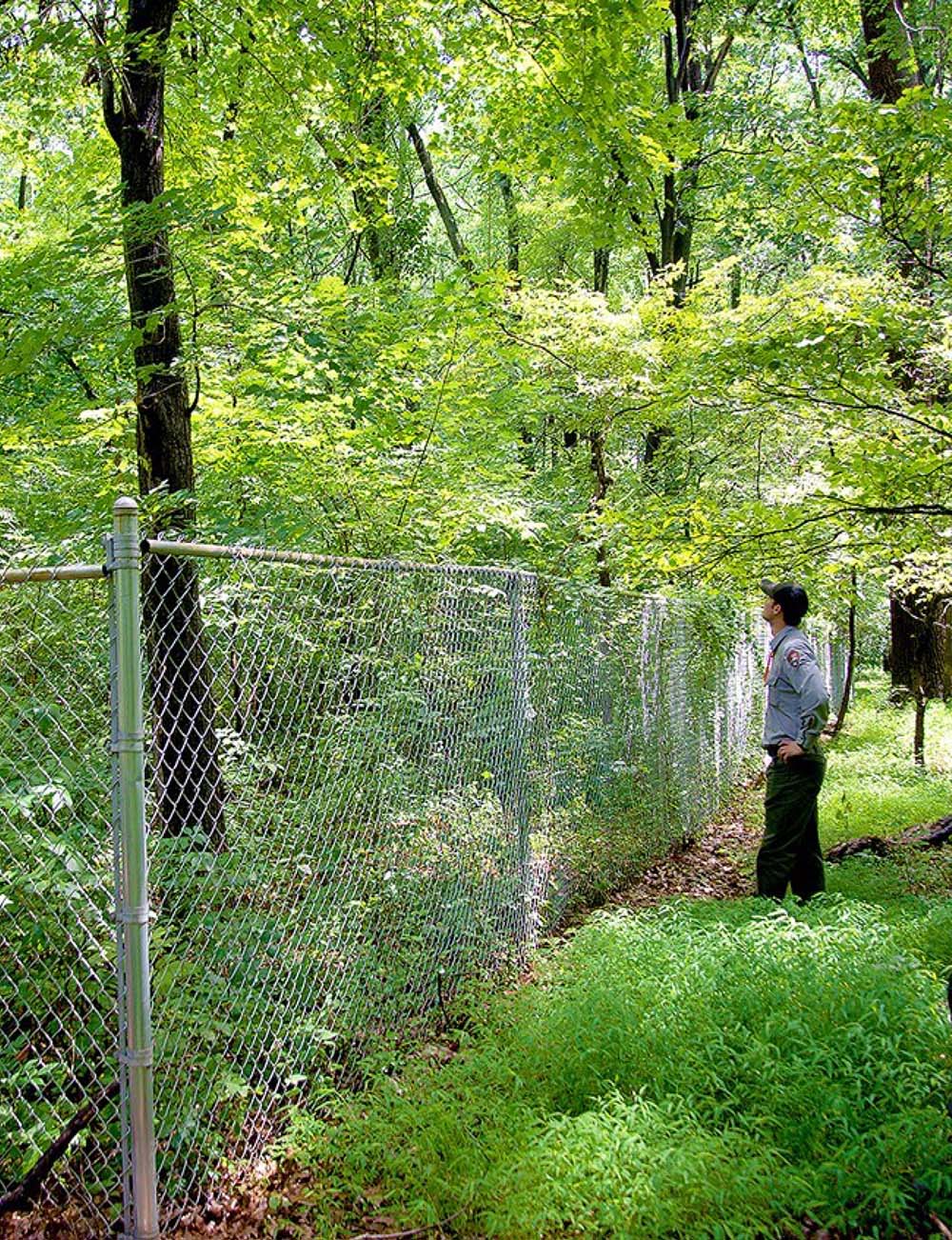
Building deer exclosures (fences that keep deer out) can be effective for helping areas like gardens, forest restoration sites, and rare habitats to regrow. But they’re an expensive, small-scale solution—and one that introduces more synthetic material like metal fencing and plastic into the ecosystem.
Legislative and regulatory changes that address the deer overpopulation crisis are necessary. But this process takes time—and forest collapse is happening right now. We can't wait.
Currently, the most effective way to control the deer population is by hunting and harvesting antlerless deer (like does) on a large scale. It’s the best tool we have right now to address the deer overpopulation crisis, improve human safety, restore forest health, and rebalance our ecosystems.
Surgical sterilization of deer is extremely expensive, and birth control requires darting the same deer every year—a nearly impossible task. Fertility controls
like these have limited success in small, isolated populations, but are not effective
at scale.
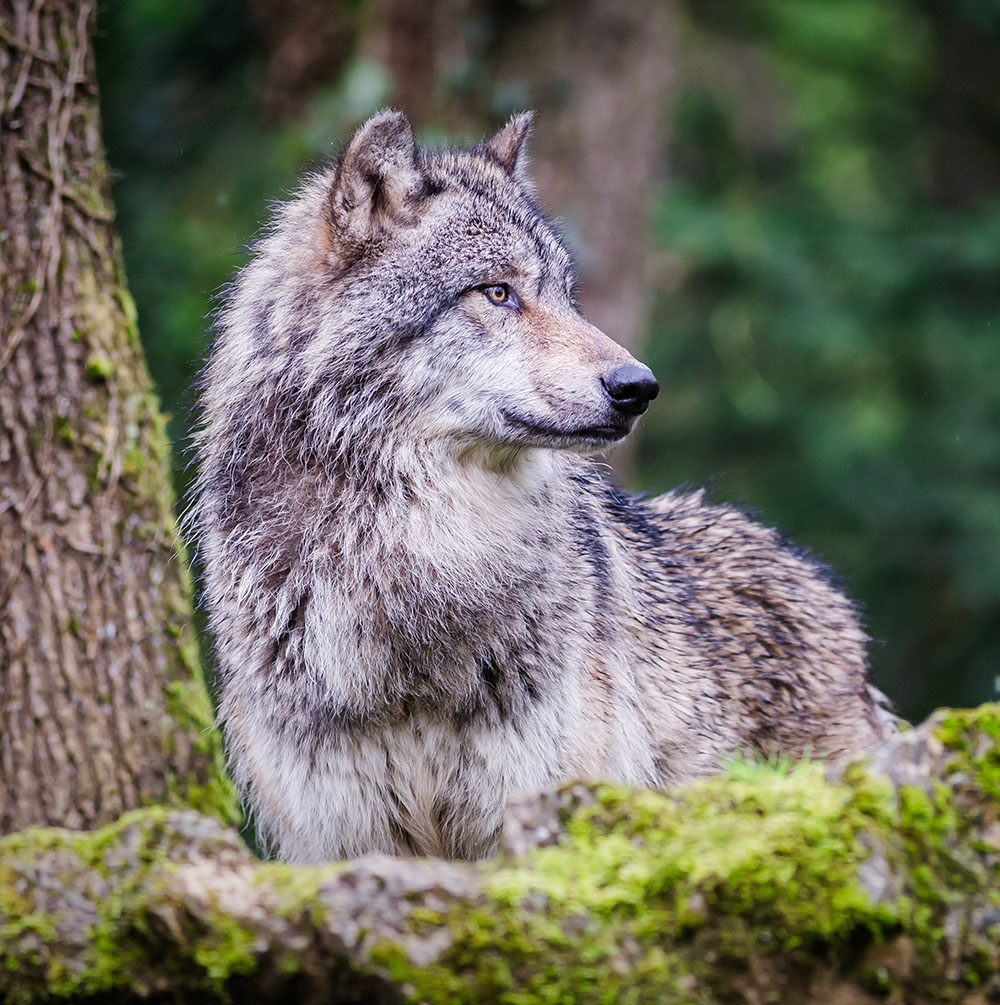
While we should allow wolves and mountain lions to return to New York state naturally, any large-scale reintroduction poses significant social, political, and ecological challenges—limiting the ability of these apex predators to make a significant impact on deer populations.
Current recreational hunting that primarily targets bucks and other mature male deer isn’t enough to address the deer population crisis. Antlered deer alone simply don’t have a significant effect on deer population growth.
Every voice matters. Join The Wild Trust and start protecting the wild places we all depend on.


.svg)