


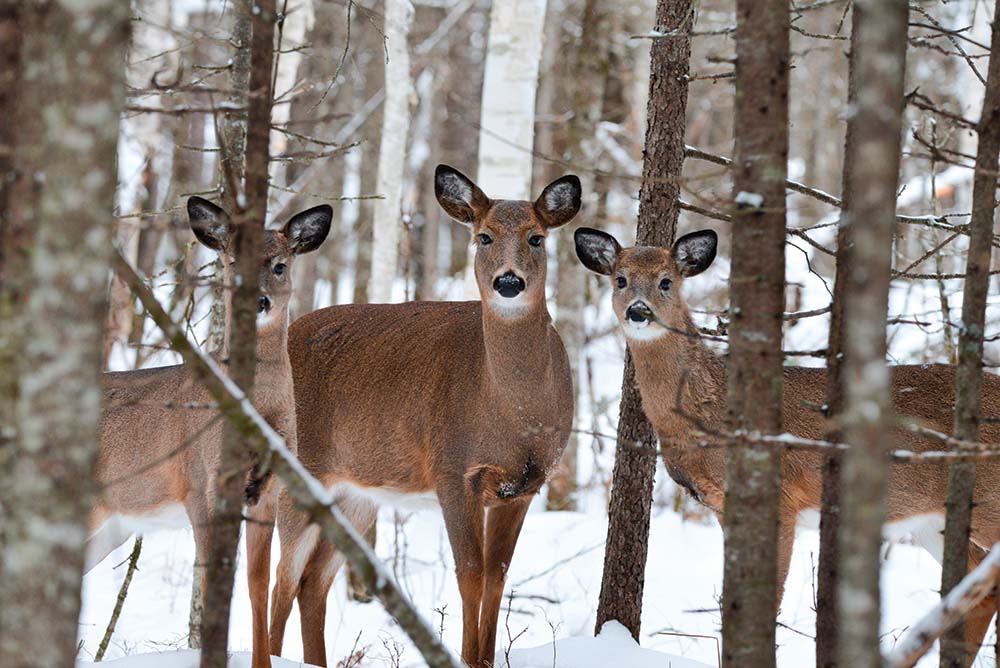
Overabundant deer populations devastate their own food sources, increasing competition, nutritional stress, and eventual starvation within herds.
Due to high population densities, deer herd health and surrounding habitat quality are both strained. Caring for the health and welfare of individual deer requires caring for the health of the whole ecosystem.
Weakened forest biodiversity translates to an increased risk of disease spillover to human communities. Already, we are seeing a dramatic rise in tick-borne pathogens in New York state forests.
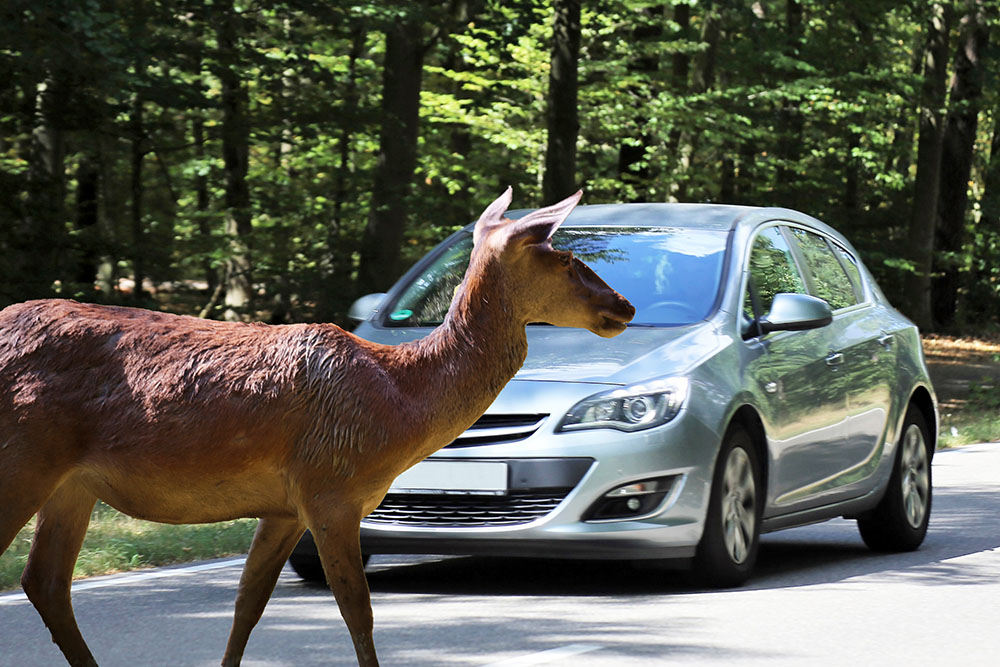
Overabundant deer also pose direct safety risks to rural and suburban drivers. In New York state alone, there are more than 60,000 vehicle-deer collisions annually.
Deer damage to crops amounts to millions of dollars in losses every year.
Deer overpopulation is a major driver of forest degradation, as deer consume young trees and plants. This means that forests can't regrow and mature trees will not be replaced after they die.
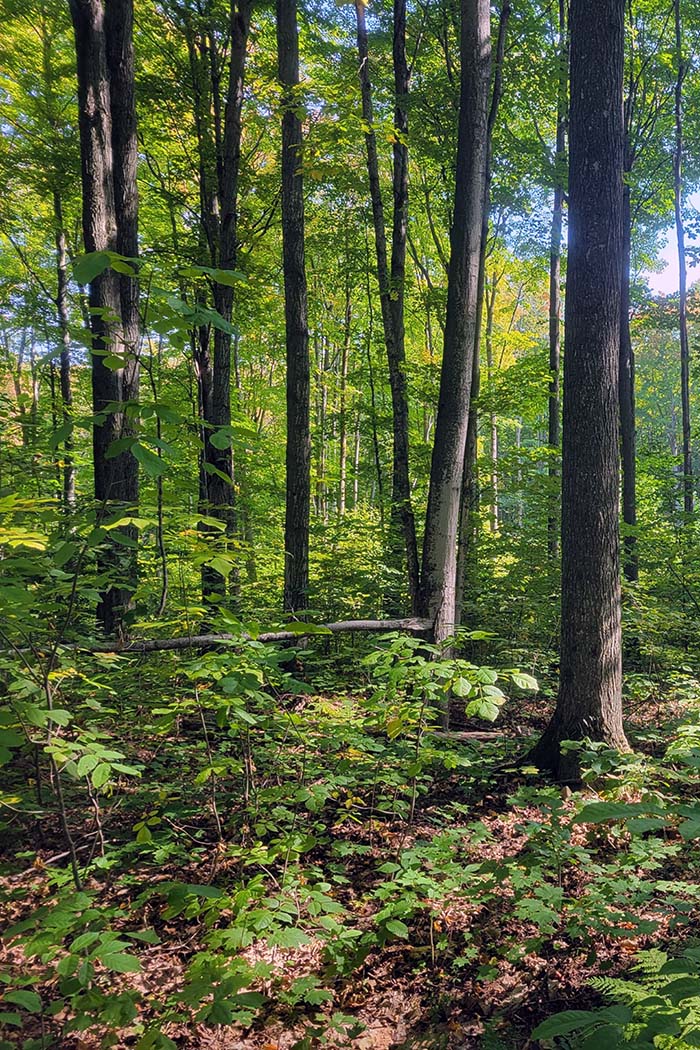
Overbrowsing by deer also decimates a range of native plants, leaving once-diverse forest understories barren. These forests are now more vulnerable to degradation—not to mention a lack of aesthetic beauty.
Overbrowsing by deer selectively removes palatable native plants and reduces vital habitat for pollinators. These shifting ecological conditions over time reduce overall plant diversity.
The invasive plants and earthworms that thrive as a result of white-tailed deer overpopulation can deplete leaf litter that serves as a protective layer against erosion during heavy rainfall.
Deer-driven erosion of exposed forest soils can pollute public water sources, like the Catskill and Delaware watersheds that much of New York City’s water supply depends on.
Deer overpopulation alongside streams and rivers can also diminish habitat availability for insects that fish rely on as a major food source.
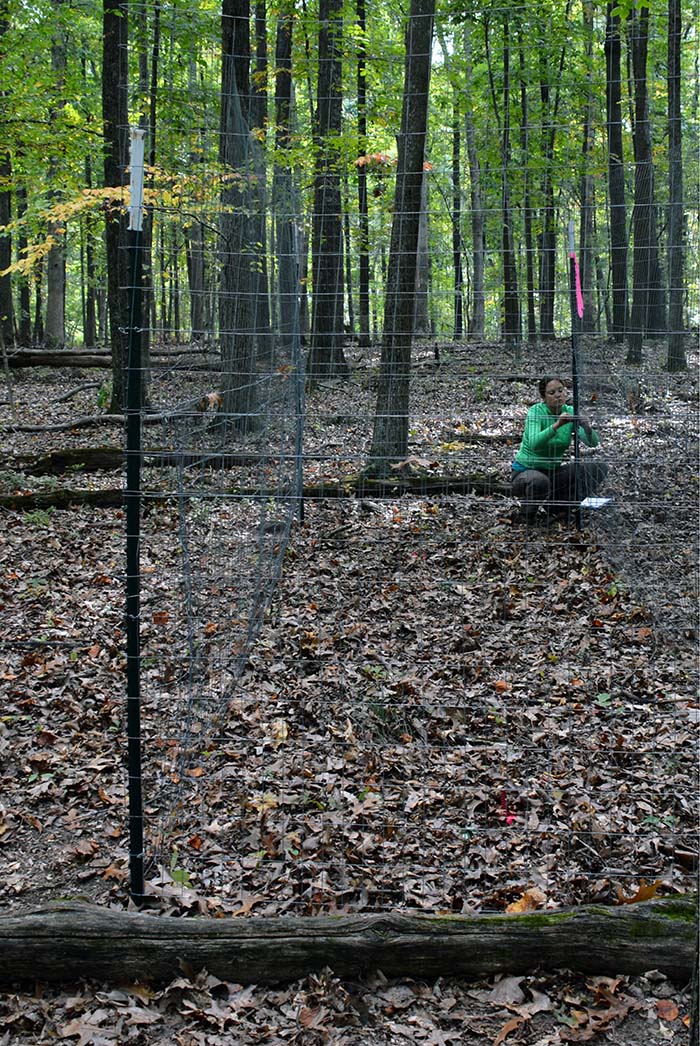
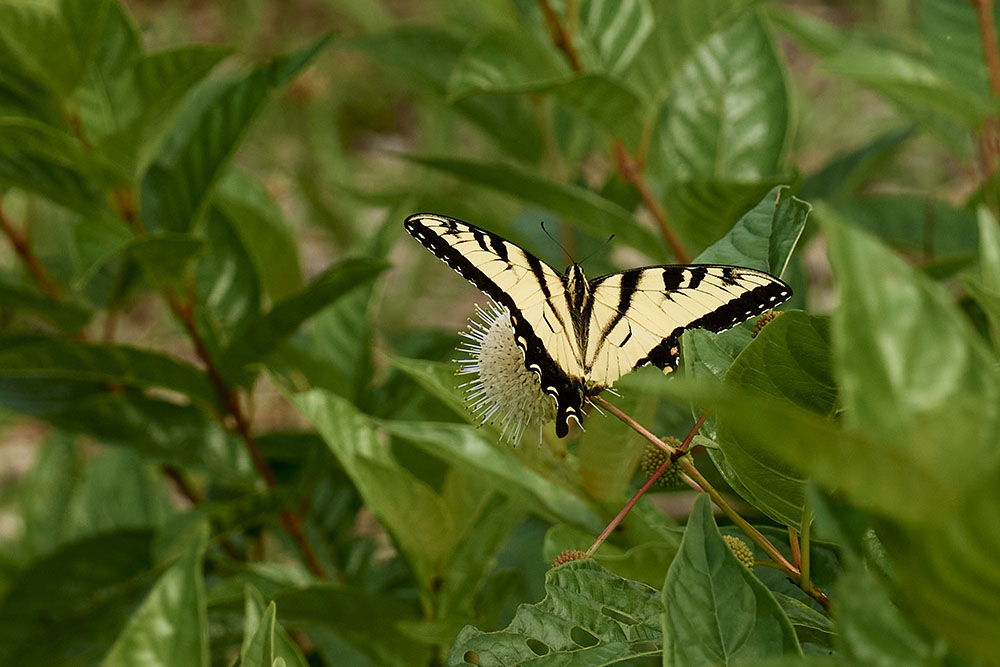
By suppressing native plants, overabundant white-tailed deer deplete food for insects and songbirds already facing widespread population declines.
Non-native earthworms thrive alongside white-tailed deer. These worms break down leaf litter, reducing native invertebrate numbers. This, in turn, leads to population collapses among the salamanders and ground-nesting birds that feed on them.
Active forest management to create healthy habitat for wildlife like ruffed grouse will fail without first addressing deer overabundance.
Every voice matters. Join The Wild Trust and start protecting the wild places we all depend on.


.svg)